
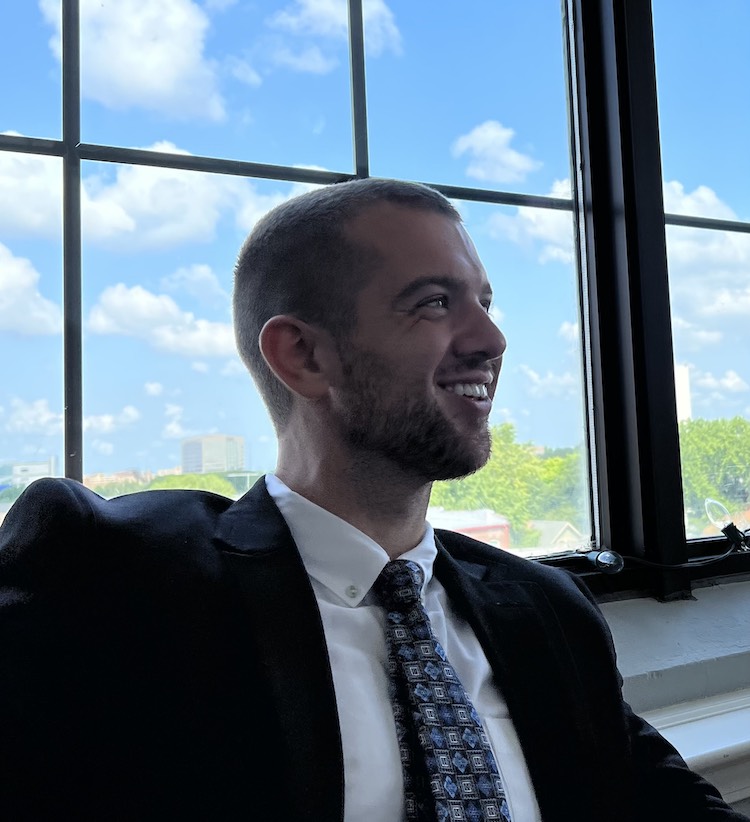
With a career marked by a reputation for excellence, Josiah Swinney is a formidable criminal defense attorney who practices in the Indiana Federal Courts. Call Josiah directly at 317-753-7134 for a free consultation.
- Home
- Federal Sentencing Guidelines
- What are the Federal Sentencing Guidelines
- Factors Considered in the Federal Sentencing Guidelines
- Minimum and Maximum Boundaries of Federal Sentencing Guidelines
- Are Federal Sentencing Guidelines Mandatory
- Can a Judge Sentence Above the Federal Sentencing Guidelines
- Victim Impact Statements in Federal Sentencing
- Types of Supervision Under Federal Sentencing Guidelines
- Why Choose Josiah Swinney for Federal Criminal Defense
- Contact Indiana Criminal Attorney Josiah Swinney
Federal Sentencing Guidelines
Navigating the complexities of federal criminal law can be daunting, especially when facing the intricacies of the Federal Sentencing Guidelines. These guidelines play a critical role in determining the penalties for individuals convicted of federal crimes. For those facing federal charges in Indiana, securing an experienced criminal defense attorney like Josiah Swinney is essential to achieving the best possible outcome. With extensive knowledge of criminal law and federal criminal defense, Attorney Josiah Swinney provides expert legal representation to clients throughout Indiana, ensuring their rights are protected and advocating for fair sentencing. This comprehensive guide explores the Federal Sentencing Guidelines, their application, and how an Indiana criminal attorney can make a difference in your case.
What are the Federal Sentencing Guidelines
The Federal Sentencing Guidelines are a set of non-binding rules established by the United States Sentencing Commission in 1987, pursuant to 28 U.S.C. § 994. Their primary purpose is to promote uniformity, fairness, and proportionality in sentencing defendants convicted of federal crimes. These guidelines provide a structured framework for federal judges to determine appropriate penalties based on the specifics of the offense and the defendant’s background. While they were initially mandatory, a landmark Supreme Court decision in United States v. Booker (2005) rendered them advisory, giving judges greater discretion while still considering the guidelines as a reference.
The guidelines aim to reduce disparities in sentencing across different federal courts, ensuring that defendants convicted of similar crimes under similar circumstances receive comparable punishments. However, the advisory nature of the guidelines allows judges to tailor sentences to the unique aspects of each case, which is where an experienced federal criminal defense attorney like Josiah Swinney becomes invaluable. Based in Indiana, Attorney Swinney has a deep understanding of how these guidelines are applied in federal courts and uses this knowledge to advocate for lenient and fair sentencing on behalf of his clients.
The Federal Sentencing Guidelines cover a wide range of federal offenses, from drug trafficking and white-collar crimes to violent crimes and sex offenses. They provide a standardized approach to sentencing by assigning numerical values to various factors, such as the severity of the offense and the defendant’s criminal history. These values help calculate a recommended sentencing range, which serves as a starting point for judges. For individuals facing federal charges in Indiana, consulting with a skilled criminal lawyer like Josiah Swinney can help demystify the guidelines and ensure a robust defense strategy.
Factors Considered in the Federal Sentencing Guidelines
The Federal Sentencing Guidelines take into account numerous factors to determine an appropriate sentence. These factors help the court assess the seriousness of the offense and the defendant’s culpability. Below are some of the key factors considered:
- Criminal History: The defendant’s prior convictions and criminal record significantly influence the sentencing range. The guidelines assign criminal history points based on the number and severity of past offenses, which are then categorized into one of six criminal history categories.
- Severity of Offense: Offenses are classified into 43 offense levels, with higher levels corresponding to more serious crimes. For example, a minor fraud offense may fall under a lower offense level, while a violent crime like armed robbery would be assigned a higher level.
- Number of Charges: Multiple charges can increase the overall offense level, potentially leading to a longer sentence. A skilled criminal defense attorney can negotiate to reduce the number of charges or argue for concurrent sentences.
- Severity of Injury to Victim: If the offense caused physical or emotional harm to a victim, this factor can elevate the offense level. For instance, crimes resulting in serious bodily injury receive higher offense levels.
- Use of a Deadly Weapon: The involvement of a firearm or other dangerous weapon in the commission of a crime typically increases the offense level, reflecting the heightened danger posed.
- Age of Victim: In cases involving sex offenses or crimes against vulnerable populations, such as minors or the elderly, the age of the victim can lead to enhanced penalties.
- Aggravating Role: Defendants who played a leadership or organizational role in the crime, such as orchestrating a criminal enterprise, may face increased penalties due to their aggravating role.
- Mitigating Role: Conversely, defendants who were minimal or minor participants in the offense may receive reduced penalties. For example, a defendant who acted under duress or had a limited role may qualify for a mitigating role adjustment.
These factors are carefully weighed by the court to determine the appropriate offense level and criminal history category, which together form the basis for the recommended sentencing range. An experienced Indiana criminal attorney like Josiah Swinney can analyze these factors in your case, identify opportunities for mitigation, and present compelling arguments to minimize your sentence.
Minimum and Maximum Boundaries of Federal Sentencing Guidelines
The Federal Sentencing Guidelines provide a sentencing table that outlines potential penalty ranges based on the offense level and the defendant’s criminal history category. The table is divided into 43 offense levels and six criminal history categories, with each intersection providing a recommended sentencing range in months. For example, a defendant with no prior criminal history (Criminal History Category I) and an offense level of 12 might face a sentencing range of 10 to 16 months, while a defendant with a significant criminal history (Category VI) and an offense level of 30 could face 168 to 210 months.
These ranges serve as guidelines, but they are not absolute. Judges have the discretion to impose sentences outside these ranges, either above or below, depending on the circumstances of the case. However, sentences that deviate significantly from the guidelines require justification, which must be supported by specific findings. For instance, a judge may impose a lighter sentence if the defendant shows genuine remorse or provides substantial assistance to law enforcement.
Understanding the sentencing table and its implications requires legal expertise, as misinterpretations can lead to unfavorable outcomes. Attorney Josiah Swinney, an Indiana-based criminal defense lawyer, has extensive experience navigating the sentencing table and advocating for sentences at the lower end of the guideline range—or even below it—when appropriate. His knowledge of federal criminal defense ensures that clients receive personalized and strategic representation.
Are Federal Sentencing Guidelines Mandatory
No, the Federal Sentencing Guidelines are not mandatory; they are advisory. This shift occurred following the Supreme Court’s decision in United States v. Booker (2005), which ruled that mandatory guidelines violated the Sixth Amendment. As a result, federal judges are not bound to follow the guidelines but must consider them when determining a sentence. This advisory nature allows judges to account for case-specific factors that may not be fully addressed by the guidelines, such as the defendant’s personal circumstances or the broader context of the offense.
While the advisory status of the guidelines provides flexibility, it also underscores the importance of skilled legal representation. A knowledgeable criminal lawyer can present compelling arguments to persuade the judge to impose a sentence below the guideline range. Josiah Swinney, an Indiana criminal attorney, excels at crafting persuasive sentencing memoranda and advocating for leniency, ensuring that his clients’ unique circumstances are effectively communicated to the court.
Can a Judge Sentence Above the Federal Sentencing Guidelines
Yes, a federal judge can impose a sentence above the guideline range, as the guidelines are advisory. However, any upward departure must be justified with specific reasons, which are typically documented in the court’s sentencing memorandum. For example, a judge might impose a harsher sentence if the offense involved exceptional cruelty, significant harm to the community, or a pattern of criminal behavior not adequately reflected in the defendant’s criminal history score.
Upward departures can be challenged, and an experienced federal criminal defense attorney can argue against them by highlighting mitigating factors or procedural errors. Josiah Swinney’s expertise in federal criminal law allows him to anticipate potential upward departures and proactively address them, protecting his clients from unduly harsh penalties. His strategic approach ensures that any aggravating factors are countered with compelling evidence of the defendant’s character, remorse, or rehabilitation efforts.
Victim Impact Statements in Federal Sentencing
Victims of federal crimes are permitted to provide victim impact statements during the sentencing phase, as established by the Supreme Court in Payne v. Tennessee, 501 U.S. 808 (1991). These statements allow victims to describe the emotional, physical, and financial impact of the crime, which can influence the judge’s sentencing decision. Victim impact statements are particularly significant in cases involving violent crimes, fraud, or other offenses with direct harm to individuals.
While victim impact statements can be powerful, they also present challenges for defendants. A skilled criminal defense attorney can mitigate their impact by presenting counterarguments, such as evidence of the defendant’s remorse or efforts to make restitution. Josiah Swinney, an Indiana criminal lawyer, is adept at navigating the emotional weight of victim impact statements while advocating for a balanced and fair sentence. His ability to humanize his clients and present their side of the story is a critical asset in federal sentencing hearings.
Types of Supervision Under Federal Sentencing Guidelines
The Federal Sentencing Guidelines outline several types of supervision that may be imposed as part of a sentence. These options allow courts to tailor penalties to the offense and the defendant’s circumstances. The primary types of supervision include:
-
- Imprisonment: The most common form of supervision, imprisonment involves serving time in a federal correctional facility. The length of imprisonment depends on the offense level and criminal history category.
- Supervised Release: After completing a term of imprisonment, many defendants are placed on supervised release, during which they must comply with specific conditions, such as regular check-ins with a probation officer or drug testing. Supervised release may include:
- Community Confinement: This involves placement in a halfway house or similar facility, allowing the defendant to reintegrate into society while under supervision.
- Home Detention: Defendants may be required to remain at their residence, often with electronic monitoring, as an alternative to imprisonment.
- Probation: For less serious offenses, the court may impose probation, allowing the defendant to remain in the community under specific conditions, such as maintaining employment or attending counseling.
The type and duration of supervision depend on the specifics of the case, including the offense level, criminal history, and any aggravating or mitigating factors. An experienced Indiana criminal attorney like Josiah Swinney can advocate for alternatives to imprisonment, such as probation or home detention, when appropriate. His expertise in federal criminal defense ensures that clients receive the most favorable supervision terms possible.
Why Choose Josiah Swinney for Federal Criminal Defense
Facing federal charges is a serious matter that requires the expertise of a seasoned criminal defense attorney. Josiah Swinney, an Indiana-based criminal lawyer, brings a wealth of experience and dedication to every case. His deep understanding of the Federal Sentencing Guidelines, combined with his commitment to personalized representation, makes him the ideal choice for individuals facing federal charges in Indiana.
Attorney Swinney’s approach to federal criminal defense is comprehensive and strategic. He meticulously analyzes the details of each case, identifying opportunities to reduce charges, challenge evidence, or negotiate favorable plea agreements. His familiarity with Indiana’s federal courts and his ability to navigate complex legal processes ensure that clients receive the strongest possible defense. Whether advocating for a reduced sentence, challenging an upward departure, or seeking alternatives to imprisonment, Josiah Swinney is a trusted ally in the fight for justice.
In addition to his legal expertise, Attorney Swinney is known for his compassionate and client-focused approach. He understands the stress and uncertainty of facing federal charges and works tirelessly to provide clarity, support, and aggressive representation. By choosing Josiah Swinney, clients gain a dedicated advocate who will fight to protect their rights and secure the best possible outcome.
Contact Indiana Criminal Attorney Josiah Swinney
If you or a loved one is facing federal charges in Indiana, don’t leave your future to chance. Contact Indiana criminal attorney Josiah Swinney today for expert legal guidance and representation. With his extensive knowledge of criminal law and federal criminal defense, Attorney Swinney is committed to helping clients navigate the complexities of the Federal Sentencing Guidelines and achieve the best possible outcome.
To schedule a consultation, reach out to Josiah Swinney’s law office today. Let an experienced Indiana criminal lawyer provide the support and advocacy you need during this challenging time. Call Josiah directly at 317-753-7134 for a free consultation.
DISCLAIMER – The information contained on this website is provided for educational and informational purposes only, and should not be construed as legal advice or as an offer to perform legal services on any subject matter. The content of this web site contains general information and may not reflect current legal developments or information. The information is not guaranteed to be correct, complete or current. We make no warranty, expressed or implied, about the accuracy or reliability of the information at this website or at any other website to which it is linked. Recipients of content from this site should not act or refrain from acting on the basis of any information included in the site without seeking appropriate legal advice on the particular facts and circumstances at issue from an Indiana Criminal Defense attorney or attorney licensed in the recipient’s state. Nothing herein is intended to create an attorney-client relationship and shall not be construed as legal advice. This is not an offer to represent you, nor is it intended to create an attorney-client relationship.